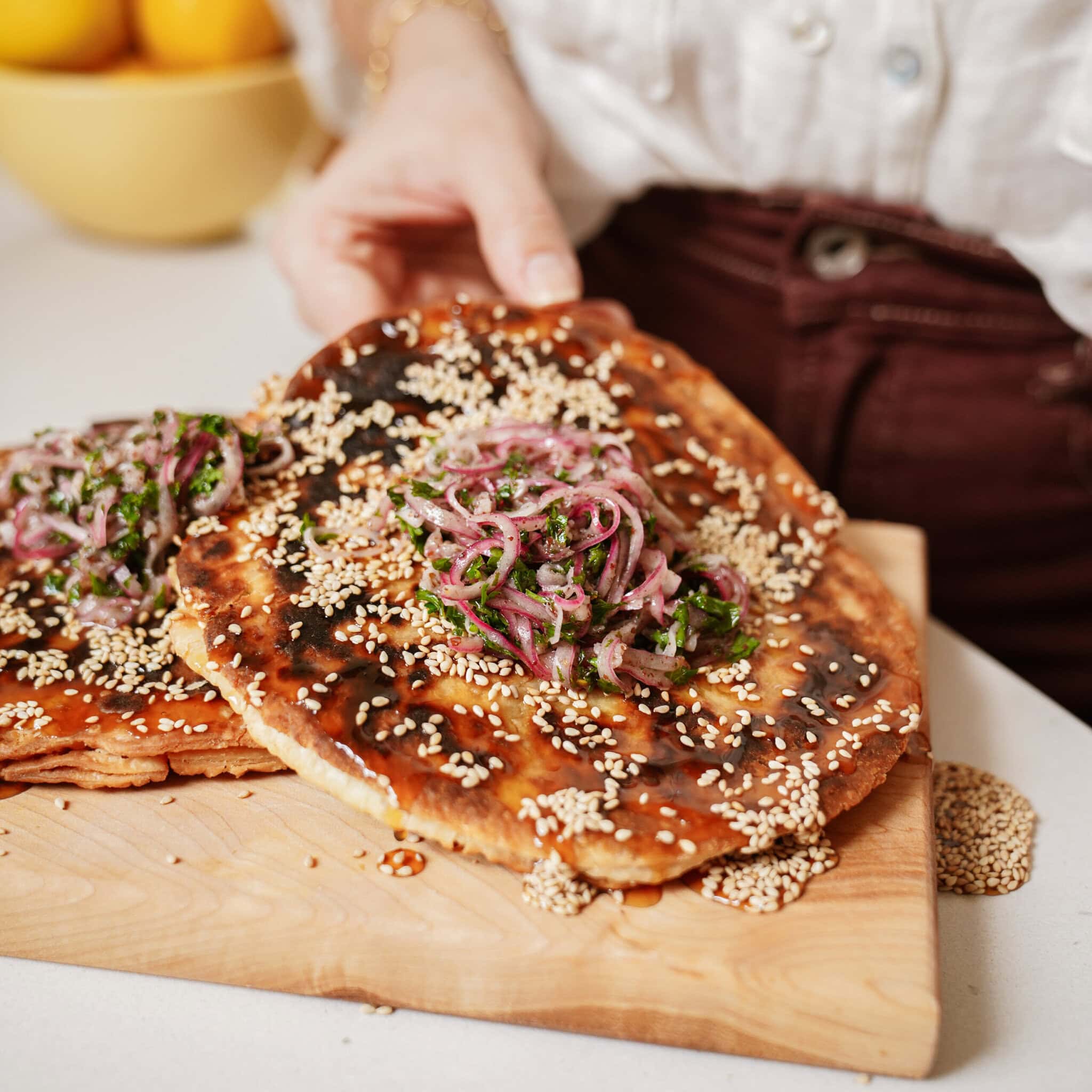
Beyond Lamb: Adaptive Stuffed Flatbread Fillings for Every Palate
The humble flatbread, a culinary staple found across countless cultures, has served as a canvas for a myriad of flavors for millennia. While its open-faced variations, often adorned with vibrant toppings like a Mediterranean pizza, are undeniably delicious, there's a special magic in a flatbread that holds a secret within its folds: a savory, often spiced, filling. Among these,
lamb stuffed flatbreads hold a place of honor, revered for their rich flavor and satisfying texture. From the bustling streets of Istanbul to the serene kitchens of India, the concept of encasing succulent spiced lamb within a doughy embrace before pan-frying or baking has captivated palates worldwide.
But what if lamb isn't your preference, or you're simply looking to broaden your culinary horizons? The beauty of the stuffed flatbread lies in its incredible adaptability. While we’ll delve into the traditional allure of lamb, this article will also journey into the boundless potential of adaptive fillings, proving that this versatile dish can truly cater to every taste and dietary need.
The Allure of Lamb Stuffed Flatbreads: A Global Heritage
The global tapestry of stuffed flatbreads is rich and varied, with
lamb stuffed flatbreads appearing in numerous cultural iterations. Each region brings its own unique spin, a testament to the dish's timeless appeal and versatility.
In India, you’ll find the beloved
Kheema Paratha, where flavorful spiced ground lamb (kheema) is meticulously layered within a soft, flaky paratha dough before being pan-fried to golden perfection. Across the Aegean, Turkey boasts varieties of
Gözleme – literally meaning ‘eye’ due to the characteristic black spots that form on the bread during cooking – often filled with a savory blend of ground meat, including lamb, along with herbs and sometimes cheese. Journeying further to the Levant, Lebanon offers
Arayes, a delicious dish typically featuring spiced ground lamb or beef pressed into pita bread and grilled or baked until crispy and juicy. These examples merely scratch the surface of how different cultures have embraced the concept of meat-stuffed dough, creating dishes that are comforting, flavorful, and deeply satisfying. To explore these fascinating regional variations in more detail, delve into our article:
Kheema Paratha to Arayes: Unveiling Global Lamb Flatbreads.
What unites these variations is the core concept: a robustly seasoned ground lamb filling, often enhanced with aromatic spices, encased in dough and then cooked until the exterior is crisp and the interior is tender and juicy. When prepared traditionally, such as pan-fried with ghee, these flatbreads offer a deeply satisfying texture and taste, often complemented by a cooling, creamy sauce like tzatziki or labneh.
Crafting the Perfect Lamb Stuffed Flatbread: Key Elements
Achieving the ideal
lamb stuffed flatbread involves a harmonious interplay of three crucial components: the dough, the filling, and the cooking method.
The Dough: Foundation of Flavor and Texture
The foundation of any great stuffed flatbread is, of course, the dough. The choice of dough can dramatically influence the final texture and experience. While some traditional recipes call for specific homemade doughs, like the Greek
tiganospomo used in certain arayes hybrids for a soft yet structured base, modern adaptations often embrace convenience. Store-bought pizza dough, for instance, can be an excellent shortcut, providing a reliable and accessible base that bakes up beautifully.
Regardless of its origin, the ideal dough for stuffed flatbreads aims for a balance: it should be pliable enough to encase the filling without tearing, yet resilient enough to achieve a desirable crispy exterior upon cooking, while remaining soft and tender on the inside. Pricking the dough, as seen in some recipes for open-faced versions, helps prevent excessive bubbling, ensuring a more even distribution of the topping or, in our case, the even cooking of the stuffed elements.
The Lamb Filling: A Symphony of Spices
The heart of any
lamb stuffed flatbread is its filling. Ground lamb, with its distinctive richness, is exceptionally well-suited to handle bold seasoning, making it a fantastic canvas for a vibrant spice blend. Don’t be shy when it comes to flavor!
*
Cumin provides earthy depth.
*
Coriander introduces a delicate, citrusy note.
*
Paprika contributes a warm color and a rounded, slightly smoky sweetness.
* A pinch of
cinnamon or a dash of
allspice can add a subtle, fragrant warmth that elevates the entire profile.
* For an authentic Middle Eastern touch, ingredients like
pomegranate molasses (or balsamic glaze as a substitute) impart a tangy, slightly sweet complexity, cutting through the richness of the lamb.
* Finely chopped
scallions and
pepperoncini add freshness and a subtle kick.
Beyond spices, other additions can enhance the filling. Pine nuts, lightly toasted, offer a delightful crunch and nutty flavor, while fresh herbs like mint and parsley can be incorporated directly into the lamb mixture or served alongside in a vibrant salad. When preparing the lamb filling, mix all ingredients thoroughly to ensure every bite is bursting with flavor. For more detailed guidance on achieving that perfect crispy and juicy outcome, check out our companion article:
Crispy, Juicy & Flavorful: Your Guide to Stuffed Lamb Flatbreads.
Cooking Methods and Finishing Touches
The cooking method plays a pivotal role in defining the final texture of your stuffed flatbread. Traditional preparations often involve pan-frying with ghee, which yields a wonderfully crisp, golden crust and a tender interior. This method is particularly popular for Indian parathas and many Turkish gözleme.
Other techniques, like a skillet-to-oven finish (where the flatbread is started on a hot skillet for initial crisping and then transferred to the oven to cook through), offer a blend of textures—a crunchy exterior with a thoroughly cooked, juicy interior. For flatbreads made with pizza dough, baking at a high temperature (around 500°F) is common, resulting in a beautifully browned crust and a perfectly cooked filling.
Serving suggestions are just as important as the cooking method. A dollop of creamy tzatziki, a tangy labneh sauce, or a simple fresh herb salad (mint, parsley, scallions dressed with olive oil and pomegranate molasses) provides a refreshing counterpoint to the rich, spiced lamb. These accompaniments not only add another layer of flavor but also enhance the overall dining experience.
Beyond Lamb: Unlocking Adaptive Fillings for Every Palate
While
lamb stuffed flatbreads are a culinary delight, their fundamental design – a savory filling encased in dough – is incredibly versatile. This adaptability is where the magic truly happens, allowing for endless creativity to suit diverse tastes, dietary preferences, and even what’s in your fridge. If lamb isn't for you, or you're seeking variety, consider these fantastic alternatives:
*
Poultry Powerhouses: Ground turkey is an excellent substitute for lamb, offering a leaner but equally delicious base. It readily absorbs spices and can be prepared with the same Middle Eastern-inspired flavor profile (cumin, coriander, cinnamon, pomegranate molasses) or adapted to other cuisines. Ground chicken or even shredded rotisserie chicken mixed with a touch of BBQ sauce or buffalo sauce can also create wonderfully distinct stuffed flatbreads.
*
Beef It Up: As seen in some variations of lahm bi ajeen, spiced ground beef makes a robust and flavorful filling. It pairs beautifully with similar spice blends and tangy elements like pomegranate molasses.
*
Vegetarian Delights:
*
Spinach and Feta: A classic combination, offering a creamy, salty, and slightly tangy filling. A touch of dill or nutmeg can enhance this further.
*
Roasted Eggplant: Roasted until tender and caramelized, then mashed or diced and mixed with garlic, herbs (like parsley or oregano), and perhaps a hint of smoked paprika, creates a rich, umami-packed vegetarian option.
*
Pesto Perfection: A simple yet effective filling of vibrant pesto, perhaps with a sprinkle of pine nuts or sun-dried tomatoes, brings a burst of fresh, herbaceous flavor.
*
Mushroom and Thyme: Sautéed mushrooms with garlic and fresh thyme provide an earthy, savory filling that's deeply satisfying.
*
Spiced Lentil: Cooked lentils seasoned with Indian or Middle Eastern spices can offer a hearty, protein-rich vegan alternative.
*
Sweet Potato and Black Bean: A Southwestern-inspired filling, combining creamy sweet potato with savory black beans, corn, and chili powder.
*
Simply Savory: For a minimalist but incredibly flavorful option, a simple mixture of good quality olive oil, finely minced garlic, and fresh herbs (like oregano or rosemary) can create a fragrant and satisfying flatbread that lets the dough shine.
*
Cheese-Centric Creations:
*
Mozzarella and Tomato: A pizza-inspired filling that melts beautifully.
*
Ricotta and Herbs: Creamy ricotta mixed with Parmesan, parsley, and a pinch of black pepper makes for a light yet flavorful option.
*
Halloumi and Mint: Grilled halloumi, diced and mixed with fresh mint, offers a salty, squeaky texture and refreshing aroma.
The key to successful adaptation lies in considering the texture and moisture content of your chosen filling. Ensure any wet ingredients are well-drained or cooked down to prevent a soggy dough. Balance rich flavors with acidic or fresh components, and don't hesitate to experiment with different spice combinations to truly make the dish your own.
Tips for Flatbread Filling Success
Embracing the adaptive nature of stuffed flatbreads comes with a few universal best practices that ensure a delicious outcome every time:
*
Moisture Control is Key: Overly wet fillings are the arch-nemesis of a crispy flatbread. If using ingredients like cooked spinach, sautéed mushrooms, or fresh tomatoes, ensure they are thoroughly drained or cooked down to remove excess liquid before stuffing. A drier filling leads to a crispier, more structurally sound flatbread.
*
Pre-Cook When Necessary: For ground meats, certain root vegetables, or dense legumes like lentils, pre-cooking the filling is often essential. This ensures the main ingredient is fully cooked by the time the flatbread is golden brown, and it allows you to taste and adjust the seasoning perfectly.
*
Season Generously: Remember that flavors can mellow when cooked inside dough. Don’t be afraid to season your filling assertively. Taste as you go, and always err on the side of a little more spice or salt than you might initially think necessary.
*
Match Dough to Filling: While many doughs are versatile, consider the filling's weight and moisture. A very delicate, thin dough might not hold up to a very chunky, hearty filling. Conversely, a light vegetable filling might be lost in an overly thick, dense dough.
*
Seal It Tight: When stuffing flatbreads, proper sealing is crucial to prevent leakage during cooking. Whether you're folding dough over like a calzone, pinching edges shut, or using a top layer, ensure the seams are well-crimped or pressed together. A little water on the edges can help create a better seal.
From the rich traditions of
lamb stuffed flatbreads to an exciting array of imaginative alternatives, the world of stuffed flatbreads is a testament to culinary creativity and global connectivity. Whether you're a purist who adores the classic spiced lamb or an adventurous eater eager to explore new flavor combinations, the stuffed flatbread offers a rewarding cooking experience. So next time you're looking for a meal that's both comforting and exciting, reach for some dough and let your imagination, and your palate, be your guide. The possibilities, truly, are endless.